

Buying your first house is such an exciting milestone, but it can also seem daunting, especially if you’re a first-time buyer. There’s much to learn, from understanding mortgages to navigating the legal aspects. This buying a house how to guide will break down how to buy a house into manageable steps, providing you with the knowledge and confidence to navigate each stage successfully.
Whether you’re just starting to explore the idea of homeownersh
ip or are ready to start house hunting, this guide will provide the information you need to turn your dream of buying a home into a reality. Let’s get started!
Contents:
1. Preparing to Buy a House
Preparing is crucial before you dive headfirst into the world of open houses and mortgage applications. This stage is all about laying a solid foundation for your home-buying journey.
Understanding Your Reasons for Buying
What’s driving your desire to buy a house? Clearly defining your motivations will help you stay focused and guide your choices. Are you looking for more space for a growing family, seeking financial stability through property investment, or yearning for a place to call your own? Identifying the reason for wanting to purchase a home will help define your priorities and guide decisions in line with your long-term objectives.

Evaluating Financial Readiness
Once you have a clear vision, the critical first step when purchasing a home is to assess your financial readiness.. Buying a house is a big deal, so ensuring you’re financially prepared for the journey ahead is essential.
Assessing Savings for a Deposit
The first step in evaluating your financial readiness is assessing your deposit savings. Typically, you’ll need a deposit of at least 20% of the property’s purchase price. A more significant down payment increases the likelihood of mortgage approval and can help you secure a lower interest rate.
Setting a Budget and Understanding Borrowing Capacity
Having a well-defined budget is crucial for responsible home buying. Establish how much you can spend on mortgage repayments, property taxes, insurance, and potential maintenance costs. Remember, your budget shouldn’t just cover the mortgage; it must encompass all the costs of owning a home.
Exploring Government Grants and Concessions for First Home Buyers
If you’re buying a home for the first time, numerous government schemes and concessions can provide valuable financial assistance. These programs, designed to support first-time homebuyers, can help make homeownership more attainable. Explore the options available in your state or territory and factor any potential benefits into your budget calculations.
Organising Your Finances
After you understand your reasons for buying and grasp your financial readiness, the next stage in home-buying is getting your finances in order. This involves exploring financing options, comparing mortgage types and interest rates, and creating a long-term budget. Let’s break down this crucial step in buying a first home in Australia.

2. Options for Financing Your Home Purchase
When financing a house, most people consider mortgages the primary option, and for a good reason. Mortgages are loans specifically designed for property purchases. Banks and other financial firms offer these loans, providing you with the funds to buy your dream home, which you repay over an extended period, typically 15 to 30 years.
But remember that the world of mortgages is diverse. Different mortgage products cater to various needs and financial situations. Navigating the mortgage landscape is a significant part of understanding how to buy a house in Australia.
Comparing Mortgage Types and Interest Rates
Several types of mortgages are available in the Australian market, each with unique features, benefits, and limitations. Here are a few common types:
- Fixed-Rate Mortgages: These offer the stability of consistent repayments for a set period, making budgeting predictable.
- Variable-Rate Mortgages fluctuate with market interest rates, meaning your repayments could increase or decrease over the loan term.
- Interest-Only Mortgages: You’ll only pay the interest charged on the loan for a specific period, making initial repayments lower. However, you’ll need to factor in a potentially significant lump sum payment at the end of the interest-only period.
When evaluating different mortgages, pay close attention to interest rates. Even a slight change in interest rates can significantly impact the total amount you’ll have to repay. Don’t hesitate to compare different lenders’ offers to secure the most favourable terms.
Getting Pre-Approval: What It Means and Why It’s Beneficial
Before beginning your property search, make sure to obtain pre-approval for a mortgage. Mortgage pre-approval involves a lender assessing your financial situation and providing conditional approval for a specific loan amount. While pre-approval doesn’t guarantee final loan approval, it offers several benefits.
Firstly, it gives you a clearer picture of your borrowing capacity, helping you set realistic property price ranges. Secondly, it can reinforce your position as a buyer by demonstrating to sellers that you are serious and have the financial means to proceed with the purchase.
Creating a Long-term Budget, Including Repayments and Other Homeownership Costs
Purchasing a property involves more than just mortgage repayments. As a homeowner, you’ll also be responsible for various other costs. These include property taxes, homeowner’s insurance, potential strata fees (if applicable), and ongoing maintenance expenses.
Create a comprehensive long-term budget that factors in all these costs. Keep your finances manageable. Ensure your budget comfortably accommodates your mortgage repayments and other homeownership expenses while allowing you to maintain your lifestyle and financial well-being.

3. Finding the Right Property
With your finances sorted, you’re prepared to begin finding your dream home. But where do you even start? This section will walk you through the first steps, which envolves exploring your options and understanding what you want in the Australian property market.
Deciding on Property Type and Location Criteria
Before you dive headfirst into browsing listings, take some time to define your needs and wants. Give some thought to what type of property would best suit your lifestyle. Are you looking for a spacious house with a backyard for the kids? Or would a modern apartment in the city’s heart be a better fit? This is a crucial step in the buying a house steps process.
Houses vs Apartments: Pros and Cons
Each property type comes with its own set of advantages and disadvantages. Let’s weigh them up:
Houses:
Pros:
- Generally, there’s more space, both indoors and outdoors
- Greater privacy and independence from neighbours
- Potential for capital appreciation due to land value
Cons:
- Typically, higher purchase prices and maintenance costs
- More responsibility for upkeep and repairs
- It might be located further from city centres
Apartments:
Pros:
- Often more affordable than houses
- Usually located in convenient, inner-city areas
- Shared amenities like gyms or pools can be available
Cons:
- Less privacy and potential noise from neighbours
- Limited outdoor space
- Strata fees can add to your expenses

The Importance of Location: Connectivity, Amenities, and Schools
Location, location, location! It’s a cliché for a reason. Your property’s location can make a big difference in your lifestyle! Think about your daily commute, proximity to work, schools, and essential amenities. Do you rely on public transport? Are good schools a priority for your family? Consider factors like:
- Connectivity: Easy access to public transport, major roads, and highways.
- Amenities: Proximity to shops, supermarkets, restaurants, parks, and healthcare facilities.
- Schools: If you have children or plan to, the quality of schools in the area is essential.
- Lifestyle: Do you prefer a bustling city vibe or a quiet suburban setting?
Carefully considering your priorities regarding property type and location will make your home purchase process smoother and more efficient.
Using Online Tools and Alerts to Find Properties Matching Your Criteria
Buying property in Australia has become significantly more accessible in today’s digital age. Numerous online real estate platforms allow you to filter your search based on your chosen criteria. Utilise these tools to your advantage. Set up property alerts to be notified instantly when a property matching your description hits the market. Stay organised by saving your favourite listings and noting what you like or dislike about each one.
4. Due Diligence Before Buying
Purchasing a property is a big financial decision – probably the biggest one you’ll ever make. Therefore, before you sign the contract, you must do your homework. This stage of the home buyer process, often termed “due diligence,” protects you from surprises and ensures you make an informed decision.
Understanding the Contract of Sale
A contract of sale is a legally binding document outlining the terms and conditions of a property purchase. Take the time to read this document and grasp its contents thoroughly. It’s highly advisable to have a solicitor or conveyancer review the contract of sale on your behalf. They can explain the details and clarify any clauses that might seem unclear. A solicitor or conveyancer can protect your interests while buying a house.

The Essentiality of Building and Pest Inspections
Investing in building and pest inspections is an integral part of the house-buying process. Don’t be discouraged by the cost; these inspections can save you thousands of dollars in the long run. A building inspection will uncover structural issues, defects, or potential property maintenance needs.
On the other hand, a pest inspection will identify any current or previous infestations like termites, which could lead to costly repairs later on. If the inspection reports reveal any significant problems, you can use this information to discuss renegotiating the purchase price or, in some cases, consider walking away from the deal altogether.
Checking Land Use or Zoning Restrictions
Before you fall head over heels for a property, it’s essential to investigate any land use or zoning restrictions that might be in place. These restrictions, set by local councils, dictate how the land can be used and what can be built on it. Understanding these restrictions is vital for buying a house for several reasons.
Firstly, it will confirm whether your plans for the property, such as renovations or extensions, align with the permitted use. Secondly, it will shed light on any future developments planned for the area that could impact your enjoyment of the property. Accessing this information is usually straightforward. You can contact the local council or, in some cases, find it online through their website or dedicated planning portals.

5. The Buying Process: Private Sale vs Auction
Navigating the real estate market involves understanding the two primary house-buying methods: private sale and auction. Each approach has a unique set of steps, strategies, and considerations. Familiarising both will help you confidently navigate your chosen path and secure your dream home.
Making an Offer: Strategies for Negotiation in a Private Sale
When you buy a house through a private sale, you deal directly with the seller or agent. This scenario offers more room for negotiation and a less pressured environment than auctions. Here’s how to make a compelling offer in a private sale:
- Research is Key: Understanding the property’s market value before submitting an offer. Look at comparable properties sold in the same area. This knowledge will give you a realistic baseline for your offer.
- Craft a Strong Offer: Your initial offer should appeal to the seller while aligning with your budget. Consider factors like the property’s condition, recent sales data, and how long it’s been on the market.
- Be Prepared to Negotiate: Back-and-forth negotiations are standard in private sales. Don’t be afraid to counter-offer if the initial response isn’t favourable. However, always remain respectful and open to finding a mutually beneficial outcome.
Participating in an Auction: Tips and What to Expect
Auctions can be fast-paced and emotionally charged. If you’re considering this route for buying a house, preparation is crucial. Here’s what to keep in mind:
- Attend Open Houses: Before auction day, attend as many open inspections as possible to thoroughly assess the property and its surroundings.
- Set a Strict Budget: Determine your absolute maximum bid beforehand. Auction excitement can lead to overbidding, so it’s crucial to have a firm financial limit.
- Secure Pre-Approval: Have your finances in order with a pre-approved mortgage. If you are successful, you will need to sign the contract shortly after the auction.
- Review the Contract Of Sale: Make sure to read it carefully and fully understand it. It is highly recommended that a solicitor or conveyancer review the contract on your behalf.
- Understand the Auction Process: Familiarise yourself with the auction terms and conditions beforehand. Attend a few auctions to observe and understand how the bidding works.
Successfully navigating the process of buying a property, whether through a private sale or auction, requires careful planning and informed decision-making. Understanding the steps involved in each method and using effective strategies can improve your chances of finding your new home at a price that fits your financial goals.

6. Finalising Your Home Purchase
Reaching the final stages of your home purchase is an exciting milestone. But before you start planning your housewarming party, there are some crucial steps to navigate. From securing your financing to understanding closing costs and the intricacies of settlement, consider this your roadmap to a smooth and successful home-buying experience. Let’s explore the critical elements involved in finalising your home purchase.
Securing Financing: Final Loan Approval Process
Once your offer is accepted, it’s time to finalise your mortgage. This stage, often called the “final loan approval” process, involves your lender re-evaluating your financial situation and the property itself. Here’s what you can expect during this process:
- Property Valuation: Your lender will likely conduct a property valuation to ensure the property’s market value aligns with the loan amount you seek.
- Final Documentation and Verification: Be prepared to provide any additional documentation requested by your lender, including updated bank statements, proof of income, or other financial records.
- Loan Approval and Mortgage Offer: If everything is in order, you will receive formal approval for your loan along with a mortgage offer outlining the terms and conditions. Review this document carefully, and don’t hesitate to ask your lender for clarification.
Settlement: Steps Involved from Paying the Deposit to Getting the Keys
The settlement marks the final stage in the purchasing house process. This is where the ownership of the property is legally transferred to you. Here’s a breakdown of the critical steps for house buying involved in the settlement:
- Reviewing the Settlement Statement: You’ll receive a settlement statement summarising all financial aspects of the transaction, including the purchase price, deposit paid, loan amount, government fees, and adjustments for council rates or strata levies.
- Paying the Remaining Deposit and Closing Costs typically involves transferring the remaining deposit funds to your conveyancer or solicitor, who will disburse them on your behalf.
- Signing the Contract of Sale: Both you and the seller will sign the final contract of sale in the presence of your respective legal representatives.
- Settlement: And now, for the exciting part – you’ll receive the keys to your new home!
Stamp Duty, Insurance, and Other Closing Costs
When buying a house, it’s crucial to factor in additional costs beyond the purchase price. These are often referred to as closing costs and can vary depending on your location and the specifics of the property. Here are some typical closing costs to be aware of:
- Stamp Duty: The government tax levied on property purchases is usually the most significant closing cost.
- Loan Establishment Fees: Lenders may charge fees for setting up your mortgage. These fees can differ between lenders.
- Insurance: You must arrange building insurance for the property before settlement. Lenders may also require lender’s mortgage insurance (LMI) depending on your loan-to-value ratio (LVR).
Understanding the final home purchase steps and associated costs can help you confidently approach this exciting milestone. Remember, thorough preparation is vital—gather all necessary documentation, maintain open communication with your lender and conveyancer, and don’t hesitate to ask questions.

7. Moving Into Your New Home
You’ve secured the financing and signed the paperwork, and that thrilling moment has arrived—it’s time to move into your new home! This stage may seem overwhelming, but careful planning and organisation can ensure a smooth transition. Let’s explore how to make this new chapter as seamless as possible.
Creating a Moving Checklist
A well-structured moving checklist is your best friend during this busy time. Think of it as your personalised roadmap, ensuring you stay organised and remember all crucial details amidst the excitement.
- Start Early: Don’t wait until the last minute! Begin creating your checklist 6-8 weeks before your move. This gives you ample time to address each task without feeling rushed.
- Categories and Conquer: Break down your checklist into manageable categories, such as packing, utilities, change of address, cleaning, etc. This makes it less daunting and more accessible to tackle step by step.
- Prioritise Tasks: Highlight time-sensitive items, such as transferring utilities and arranging for movers. This ensures essential services are ready when you arrive at your new place.
Essentials for Settling In
Once the boxes are unpacked and the dust settles, it’s time to turn your new house into a welcoming home! Here’s how to make that happen:
- A Deep Clean: Before entirely unpacking, thoroughly clean your new home. This will enable you to start new and customise the space to your liking.
- Safety First: Change the locks on all exterior doors and windows for security. It is also wise to test smoke detectors and security systems.
- Connect Utilities: Ensure all utilities are active – electricity, gas, water, internet, and bin collection. There’s nothing worse than moving into a home without these essentials!
- Personalise Your Space: Unpack your belongings and arrange furniture to create an inviting atmosphere. Hang pictures, put out your favourite decorations, and make them your own.
- Explore Your Surroundings: Familiarise yourself with your new neighbourhood. Locate nearby grocery stores, parks, healthcare facilities, and other amenities.
Remember, moving into your new home is a significant milestone. You can turn this potentially stressful event into an exciting new chapter by being organised and taking things one step at a time. Embrace the journey and enjoy the process of settling into your new space!
Homeownership Responsibilities
Buying a house for the first time requires a new set of responsibilities. You are responsible for all maintenance and repairs, including fixing a leaky pipe and repainting the walls. Furthermore, if applicable, you must budget for ongoing expenses like council rates, water bills, and strata fees. Understanding these responsibilities can prevent financial surprises and ensure a smoother transition into homeownership.

8. Tips for First-Time Home Buyers in Australia
Buying a house for the first time in Australia can feel like navigating a maze. You can make the process much easier with the correct information and a good strategy. Let’s explore some valuable tips to empower you as a first-time home buyer in the Australian market.
Working with A Buyers Agent
Consider hiring a buyer’s agent when deciding to buy a home. A buyer’s agent works solely for you, the buyer, and can be an invaluable asset. They can help you find properties, negotiate the best price, and guide you through the process. Having an experienced professional in your corner can save you time, money, and stress, making your first home-buying experience smoother.
Navigating Government Assistance Programs
The Australian government offers various schemes and grants to support first-time home buyers, such as the First Home Guarantee and state-based First Home Owner Grants. These programs aim to make buying a first house more affordable by reducing the required deposit or offering financial assistance. Research and understand your eligibility for these programs, as they can significantly impact your home-buying budget.
Avoiding Common Pitfalls in the Buying Journey
Many first-time homebuyers in Australia fall into common traps. One of the first steps when buying a home is to thoroughly research and compare mortgage options from different lenders rather than settling for the first one you come across. Overlooking a thorough building and pest inspection can lead to costly repairs, so never skip this crucial step. Finally, don’t stretch your budget too thin; factor in additional costs like stamp duty, insurance, and potential interest rate hikes.

Buying A House: How To Guide
Buying is a significant milestone! The journey needs thorough planning, research, and thoughtful decision-making. By understanding your financial capacity, conducting market research, and seeking expert advice, you can feel confident as you navigate the process and achieve your dream of homeownership.
Remember that patience is vital. Finding the right property within your budget might take time. Be bold and ask questions, negotiate strategically, and prioritise your needs. Owning a home is a rewarding experience that offers stability, financial security, and the freedom to create a space that reflects your lifestyle and aspirations.
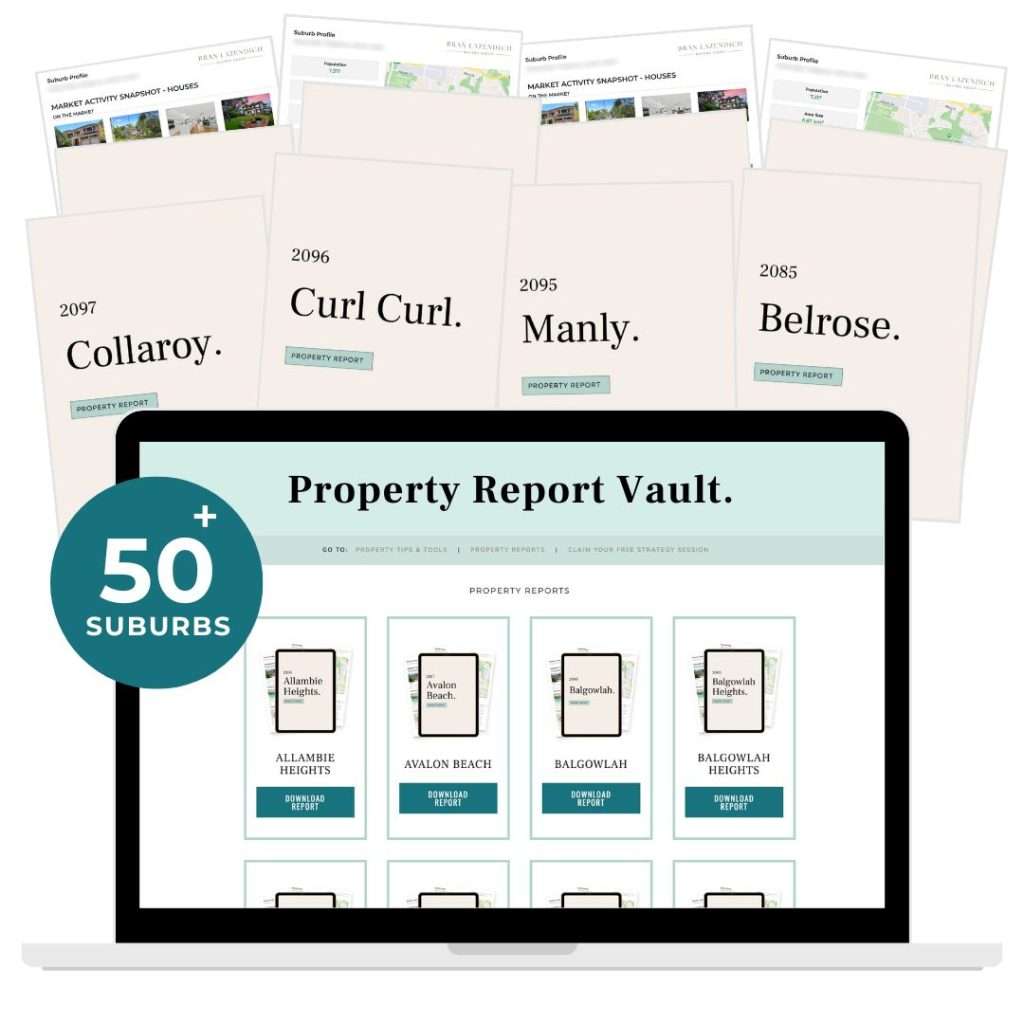
GRAB THESE FREE NORTHERN BEACHES PROPERTY REPORTS...
BOOST your purchasing power and gain a competitive advantage in your property search!
Get insider information on property prices, market trends, suburb profiles, recent sales, investment potential, and much more! Unlock the exact reports that the EXPERTS swear by – absolutely FREE! 👇🏼